

Who are Developmental Educators?

How do DE’s Support Health and Development?

Developmental Educators (DE’s) are university qualified, strengths-based allied health professionals that promote learning, skill development and wellbeing of all individuals within the disability and neurodivergent communities. DE’s work directly with individuals, families, educators and other health professionals to build functional skills across relevant life contexts.
DE’s embeds social-emotional learning practices that directly promote self-determination (SD), health and wellbeing of individuals with or without a diagnosis of neurodivergence and/or disability. A key component of a DE’s role is working directly with individuals and their entire support network to remove environmental barriers that impede learning, development and wellbeing. DE’s focus on creating positive and authentically inclusive learning environments to ensure everyone’s developmental needs and goals can be achieved.
Interdisciplinary Practice under the NDIS.
DE’s are a recognised NDIS approved disability professional Authentic neurodiversity affirming practice necessitates collaborative, interdisciplinary practice. DE’s are also trained in complex problem solving, leadership and effective change management to ensure effective implementation of supports that meet everyone’s health and developmental needs. DE’s work closely with other allied health, medical, teaching and disability professionals in order to minimise risk to individuals, caregivers and family members.
DE’s also support individuals and their support network with evidence-based education relating to neurodivergence, disability, legislation, environmental barriers, authentic inclusion and neuro-affirming practices.
Developmental Educators (DE’s) are university qualified, strengths-based allied health professionals that promote learning, skill development and wellbeing of all individuals within the disability and neurodivergent communities. DE’s work directly with individuals, families, educators and other health professionals to build functional skills across relevant life contexts.
DE’s embeds social-emotional learning practices that directly promote self-determination (SD), health and wellbeing of individuals with a diagnosis of neurodivergence and/or disability. A key component of a DE’s role is working directly with individuals and their entire support network to remove environmental barriers that impede learning and development. DE’s focus on creating consistent, positive and authentically inclusive learning environments to ensure everyone’s developmental needs and goals can be achieved.
About Us
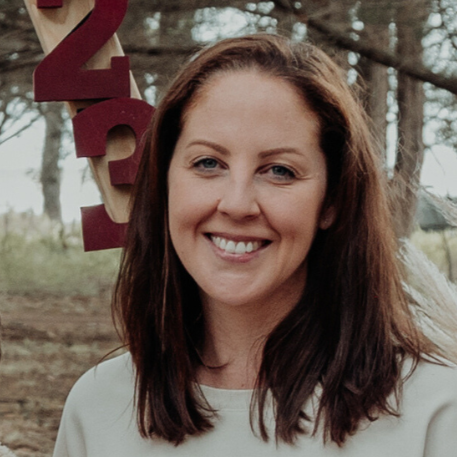
Elena Currie - Founder
Developmental Educator | Registered Nurse | Developing Human
Since I can remember I have been driven by my intrinsic passion for health education, advocacy and equity. I began my career as a Registered Nurse working across a variety of settings which included hospitals, private practice, commercial/corporate roles as well as co-founding a healthcare advocacy business dedicated to promoting patient outcomes following adverse events.
However, becoming a mum made me realise how little I knew, not just about parenting but more about myself. I realised that parenting (and life in general) was more about our own learning and development than our children’s. The more I learned about my own needs and neuro-developmental profile, the more equipped I was to understand and meet my children’s needs.
This realisation in conjunction with our collective neurodivergence diagnoses, sparked a newfound passion for authentic inclusive learning. I completed a Masters of Autism at the University of Wollongong and became a registered Developmental Educator.
I have a particular interest in neurodiversity affirming behaviour and non-verbal communication support. I primarily focus on perceptions, presumptions and beliefs which can negatively influence our ability to assess and respond to non-verbal communication cues (actions / behaviours). My approach embeds elements of social-emotional learning and evidence-based psychological theories to promote more effective communication and prevent, minimise or de-escalate unsafe behaviours. Communication is always bi-directional, so approaches always focus on assessment and supporting the needs of all communication partners.
I am passionate about promoting self-advocacy and self-efficacy skills as these organically promote our self-confidence, self-perception and intrinsic drive to continue learning.
And most importantly I am passionate about sharing my mistakes. Mistakes are incredibly important for health and development. Therefore, mistakes can be reframed into a positive experience. And the more strengths and positives we perceive, the happier and healthier we become.