
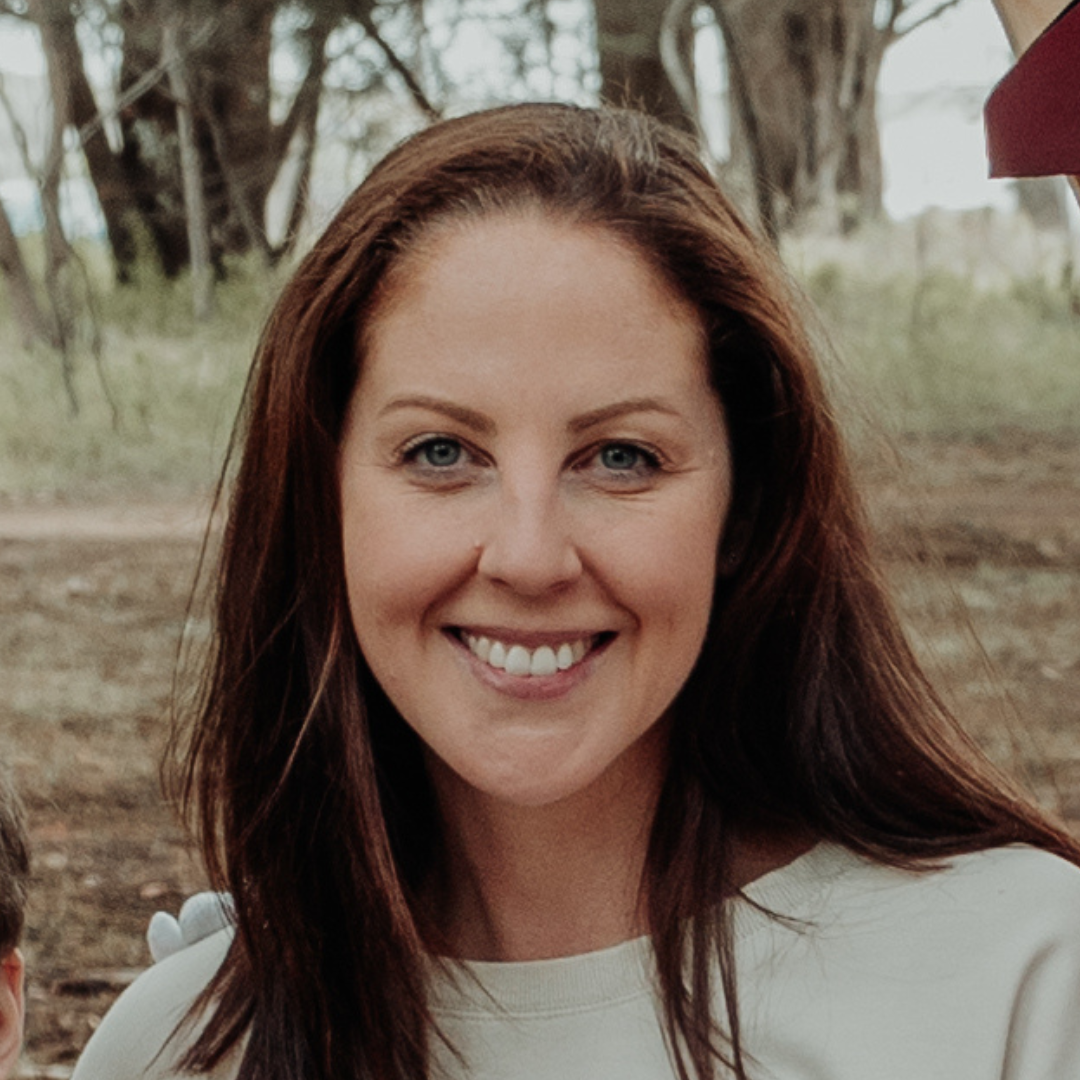
Meet El
WCH Founder
For most of my life I felt ‘stupid’ and from a young age developed a firm belief that I was ‘dumb’. Yet, I now understand there is no such thing as dumb or smart, and the more you believe in either of those terms the less likely you are to learn and develop yourself. My core negative belief about my intelligence was related to multiple factors involving my environment, neurological and personality profile. I vividly remember dreading teachers asking the whole class a question. I would watch as the entire class raised their hand whilst I was still processing the question. To battle this anxiety, I began to see patterns with people and incorporated strategies which would reduce the attention from teachers.
Throughout primary and high school, I discovered the perfect time to raise my hand to group questions. I cleverly used humour in such a way that teachers and peers would warm to me but also presume incompetence and direct class questions to other more ‘intelligent’ students. Furthermore, being a student that was ‘…easily distracted in class’ also allowed me an opportunities to ask teachers to repeat the instructions (even if I heard them) and also to attribute my comprehension challenges to ‘talking to much’ or ‘not applying myself’. Teachers simply did not realise I struggled with learning, because I made sure they (and others) would never find out. When I look retrospectively, it’s actually comical that I believed I was dumb. Clearly, I was very intelligent, but perhaps not in the conventional, academic sense.
The reason I share this brief overview of my journey is to help normalise these feelings and also to teach people how to reframe their learning mindset. The only way we can build confidence in our ability is through genuinely seeing and believing our strengths. And this is 100% related to our learning environment and experiences. My passion is for everyone to realise the power of learning and how our environment shapes our self-perception and beliefs. Creating positive learning environments, experiences and embedding multiple opportunities for social-emotional learning is the key to fostering a growth mindset. is pivotal to health and development and allows you to be the best version of yourself.
because I am so passionate about neurodiversity and I know there are so many children and adults that experience the same feelings of dread when learning and/or transitioning. I want to normalise these feelings and reframe the way we view anxiety. The most successful people in the world often experience feelings of anxiety, depression, perfectionism or shame, which is simply related to their perception, processing and subsequent beliefs. Unfortunately, these feelings are actually incredibly effective intrinsic drivers for our behaviours, however they can also be very unhealthy in the absence of self-awareness.
I now realise that my learning barriers related to my anxiety surrounding my slower processing speed (which stemmed from my environment), combined with my perception of adult expectations and fear of social ridicule. Ironically, it is this same anxiety that actually helped me to build my self-efficacy, self-confidence and completely transformed my self-perception. How is this possible? Well, my whole life I have been so scared to tell admit to people that “I can’t do it”, “I don’t understand” or even ask for help. Because if I did any of these things it directly communicated to people that I was stupid (or dumb, slow, incompetent etc.) which would simply validate my core personal beliefs. To add to the irony, my anxiety levels were only associated with people. So I was actually unable to think ahead and become nervous about circumstances! So, I unintentionally placed myself in new and highly stressful situations that I simply had to make work. I moved overseas very early in my nursing career, before I had confidence in my nursing skills. I genuinely just presumed that the rest of the world was just like Australia! And it was this naivety that became the catalyst for building a range of important skills which are actually pivotal for fostering resilience. And each time I persevered, I would feel a small amount of pride, which over time built a healthy level of self-confidence in my ability.
But why did I persevere? I was an adult, and I could have easily avoided these situations or even flown back to Australia where I felt safe. I had grit because if I didn’t, my travel and personal goals would not be fulfilled. I was so passionate about travelling, but also cultural immersion. I wanted to live, breathe and experience life in other countries, not just tick off the sites. New environments immensely stimulated me so long as I felt in control. My anxiety was only with people and did not show up in any other aspect of my life. And I was determined enough to NOT let people stand in the way of my dreams.
which can be incredibly difficult to manage. However, when
Iwas desperate to travel and new I needed to work and earn money. So my dream and goal was enough motivation for me to change countries and jobs
Eventually, I worked out that whenever I would place myself in a new learning environment (e.g. workplace) it would take two weeks for my anxiety to settle. In other words, I discovered that my anxiety was temporary and related to my insecurities. I began to realise that all I needed to do was to remember the answers to my questions. I knew asking the same question repeatedly would visibly frustrate people. So, I would just make sure that I concentrated on the answers, but to keep asking questions so I could absorb as much information as possible. Then, once I know the information, I would feel more confident in my ability to do the job or task.
because I was so scared to tell people that “I can’t" do that” or to say “I need help”
I vividly remember my first ever public lie in prep when the teacher forced me to stand up and tell the class all about my favorite Barbie doll in ‘show and tell’. The truth was I had no idea why I liked this particular doll. I just brought it with me everyday as it obviously brought me comfort. However, for some unknown reason the teacher was driven to find out exactly why I liked the doll. And when I didn’t tell her privately, she thought it was a good idea to put me up in front of the class. So, I lied to the entire class and told them my barbie ‘glowed in the dark’. I remember the teachers face and how she knew I lied, but when twin classmates chimed in and said, “our cousin has one of those too! They are so cool!” the teacher looked utterly confused and had no choice but to believe me. I do remember wondering why on earth the twins were lying when they could have just sat there like everyone else and said nothing.
managed to go through school with average marks, which showed me that I learned better when I was on my own and given time to process and retain information. In secondary school, I had to work hard to revise for exams and there was no way I could simply take notes or highlight a textbook. I also worked out that typing revision on a computer did not help me retain information. In fact, for me to fully understand and retain information for my exams, I eventually worked out that I needed to handwrite my notes, re read them and highlight important points. The process of physically writing every single word was instrumental for my learning retention.
am a qualified nurse and mum to two beautiful humans. We all have various diagnoses and labels which so far range from autistic, ADHD, anxiety, CPTSD and depression. Like many, my personal health and development journey sparked my passion for learning about neurodivergence, and in 2023 I began studying a Master of Autism and Neurodivergent Studies and will soon become a qualified Developmental Educator (DE) by the end of 2025.
I am deeply passionate about personal growth and promoting authentically inclusive holistic health and development through an evidence-based, social-emotional learning (SEL) and self-determination (SD) framework. Authentic holistic health and developmental growth requires us to continually grow our social-emotional skills so that we can adopt and directly model a growth mindset within our learning. Enjoyable learning is the key to lifelong holistic health as it enables us to grow our interests, self-competency and self-confidence. When are more confident in ourselves, we organically form more social connections, develop and share our interests with others; in turn creating a sense of belonging and acceptance. We are all driven by the same fundamental needs for autonomy, competence and belonging within our life. Self-determination drives and unites us all irrespective of diagnoses.
Introducing our holistic health
A.C.T
Focused on promoting authentically inclusive health and development through an evidence-based, social-emotional learning framework.