


Who are Developmental Educators?
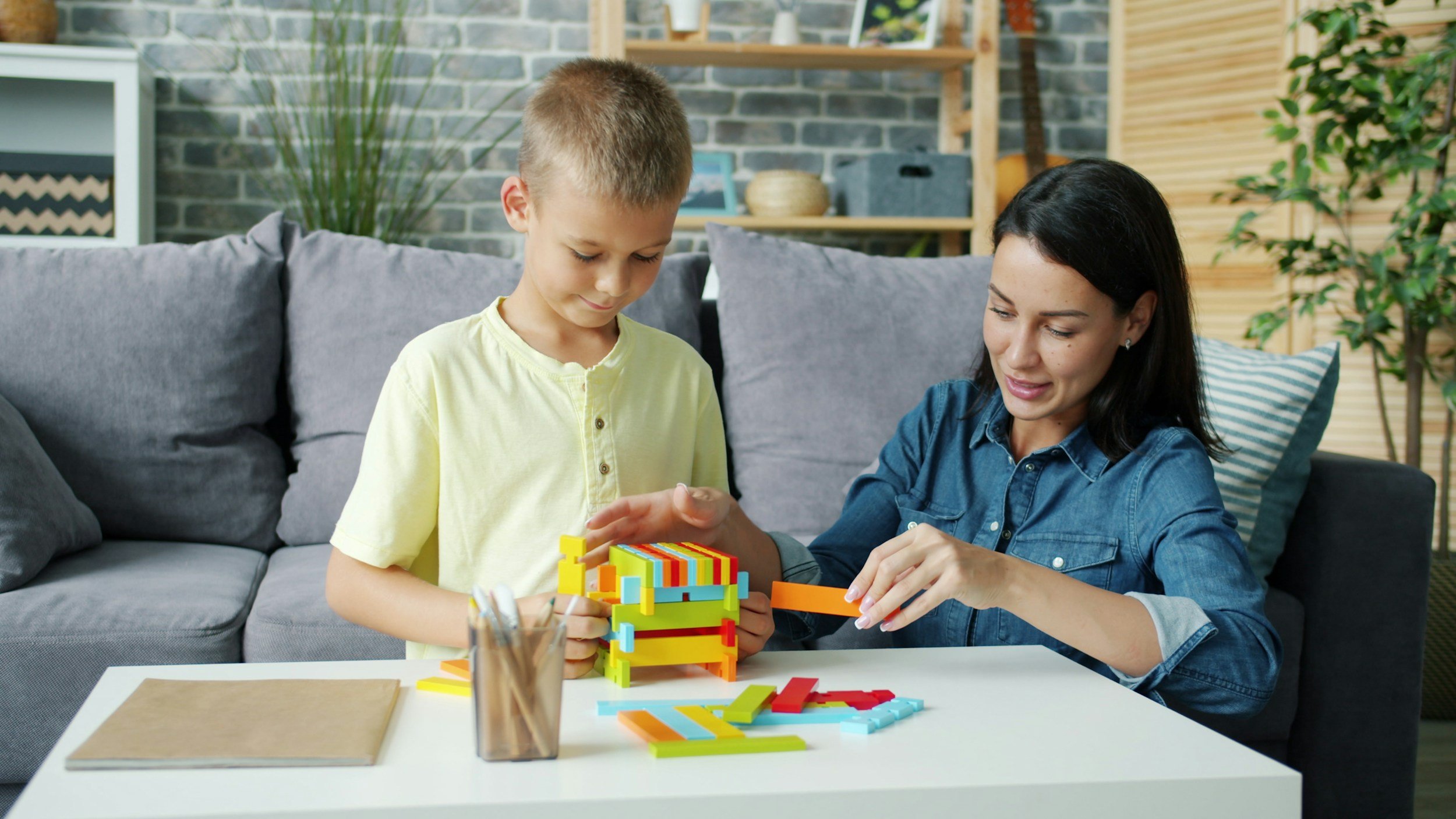
How do DE’s Support Health and Development?

Health and development are influenced by much more than an individual's physical or cognitive abilities. A person's wellbeing is also shaped by their relationships, emotional experiences, opportunities for participation, sense of belonging, autonomy and the expectations and environments surrounding them. For this reason, Developmental Educators often work across the person's everyday environments rather than focusing on an isolated skill or clinical setting.
At its heart, Developmental Education asks us to see development differently.
Shifting deficit-based perceptions of “What skills does this person lack?” towards a deeper level of support that asks;
Who is this person?
What matters to them?
What strengths can we build upon?
What barriers are preventing participation?
What skills will genuinely improve their life?
How can we make learning relevant and enjoyable?
How can we strengthen their voice, choice and self-determination?
And how can we equip the people around them to support that development?
The ultimate goal is bigger than acquiring individual skills.
It is supporting people to develop the confidence, relationships, opportunities and self-determination needed to participate in their communities and pursue lives that are meaningful to them.
DE’s & Interdisciplinary Practice
A person does not develop in isolation. Children, adolescents and adults learn within relationships and environments — including families, schools, workplaces, community settings and healthcare systems.
For this reason, Developmental Educators often work collaboratively with:
The person themselves
Parents and family members
Teachers and education staff
Support workers
Occupational therapists
Speech pathologists
Psychologists
Physiotherapists
Medical practitioners
Behaviour support practitioners
Other important people within the person’s life
Collaboration helps create consistency, shared understanding and opportunities for skills to generalise beyond a therapy session.
Rather than several professionals working independently on separate goals, effective collaborative practice asks:
“What matters most to this person, and how can all of us work together to support it?”
This can also prevent people with disability from becoming overwhelmed by multiple competing interventions, expectations and recommendations.
Helping the Helpers
One of the most powerful opportunities within Developmental Education is recognising that capacity building should not stop with the individual.
Parents, teachers, carers and support workers are often expected to help another person regulate emotions, solve problems, communicate effectively and make increasingly independent decisions.
But these supporters need skills too.
A DE can therefore work with the entire support network to strengthen understanding of self-determination and social-emotional learning.
This may include helping supporters develop skills in:
Emotion coaching and co-regulation
Reflective listening
Collaborative problem-solving
Supporting rather than replacing decision-making
Recognising sensory and emotional overload
Providing meaningful choices
Responding to distress without immediately escalating demands
Supporting healthy boundaries
Encouraging self-advocacy
Understanding behaviour as communication
Identifying strengths and opportunities for success
Knowing when to scaffold and when to step back
This is particularly important because adults can unintentionally reduce opportunities for self-determination when they are trying to help.
When someone is struggling, it can be tempting to solve the problem, make the decision, speak for them or remove every challenge.
Sometimes this support is necessary. At other times, a better question may be:
“What support does this person need so they can participate in solving this themselves?”
That small shift can create powerful opportunities for autonomy, confidence and learning.
Developmental Educators (DE’s) are university qualified, strengths-based allied health professionals that promote learning, skill development and wellbeing of all individuals within the disability and neurodivergent communities. DE’s work directly with individuals, families, educators and other health professionals to build functional skills across relevant life contexts.
DE’s embeds social-emotional learning practices that directly promote self-determination (SD), health and wellbeing of individuals with a diagnosis of neurodivergence and/or disability. A key component of a DE’s role is working directly with individuals and their entire support network to remove environmental barriers that impede learning and development. DE’s focus on creating consistent, positive and authentically inclusive learning environments to ensure everyone’s developmental needs and goals can be achieved.